
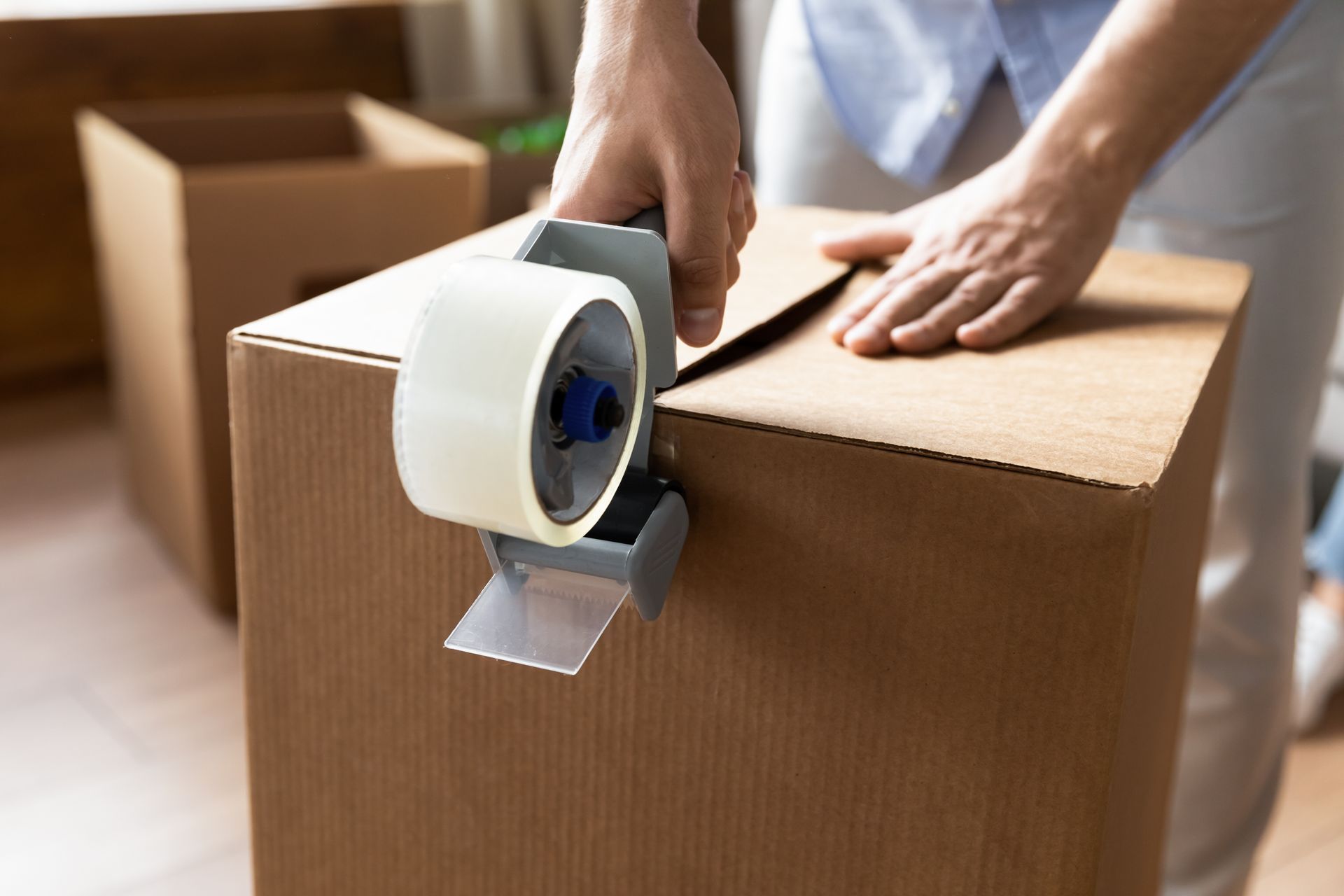
Items Prepared Correctly Before Transport
Packing and Unpacking Services in Fort Lauderdale for fragile belongings, valuable items, and full-household relocations requiring organized labeling
Dishes crack when wrapped inadequately, electronics shift inside boxes without proper cushioning, and clothing arrives wrinkled when packed without structure. Professional packing uses material-specific supplies—divided cartons for glassware, double-walled boxes for books, wardrobe containers for hanging garments—and labeling systems that identify contents and destination rooms so unpacking follows a logical sequence rather than requiring you to open every box searching for essentials. Cheney Brothers Worldwide Moving provides full-service packing that handles entire households or partial packing focused on fragile items and valuables, with unpacking assistance at the destination that places items directly into cabinets and closets rather than leaving you surrounded by empty boxes and packing paper.
Quality packing materials prevent the damage that occurs when standard cardboard boxes collapse under weight or when insufficient padding allows items to contact each other during loading and transport. Organized labeling speeds unpacking by directing boxes to the correct rooms immediately upon arrival, eliminating the confusion that results when unmarked cartons get stacked randomly throughout the new location. Time savings become significant when professionals pack a full household in hours rather than the days required for self-packing, and stress decreases when you aren't handling fragile heirlooms or disassembling complex furniture without the right tools.
Request a packing estimate to determine whether full-service or partial packing better fits your timeline and budget.
What Proper Packing Requires
Each item category receives appropriate materials—bubble wrap for ceramics, foam corners for framed art, specialized crating for chandeliers and mirrors—and packing follows room-by-room sequences that maintain organization throughout the process. Labels include both contents and destination room designations, allowing movers to place boxes in the correct areas without requiring your constant direction during unloading. Inventory sheets track what was packed in each numbered box, creating a reference document useful when searching for specific items before full unpacking is complete.
Once delivery is complete, unpacking services place dishes in cabinets, hang clothing in closets, and remove all packing materials from the property, leaving rooms functional rather than filled with debris. You walk into a home where kitchens are ready to use, bedrooms have made beds, and bathrooms have toiletries arranged on shelves, which eliminates the weeks of gradual unpacking that typically follow self-managed moves.
Full-service packing includes all materials, labor, and inventory documentation, while partial packing allows you to handle standard items like linens and books while professionals manage fragile artwork, china collections, and electronics requiring custom protection. Optional services accommodate varying budgets and schedules without compromising the protection of items you choose to have professionally packed.
Common Questions About This Service
Packing decisions affect both the safety of belongings during transport and the efficiency of settling into a new location, and understanding what professional packing involves helps determine which approach matches your needs.
What materials differ from standard moving boxes purchased at retail stores?
Professional packing supplies include reinforced boxes rated for specific weights, archival-quality packing paper that won't transfer ink onto dishes, and foam inserts molded to stabilize electronics, which provide protection beyond what consumer-grade materials offer.
How does organized labeling improve the unpacking process?
Labels designate both contents and destination rooms, allowing movers to distribute boxes accurately during unloading so you aren't sorting through kitchen boxes placed in bedrooms or searching the entire house for essential items needed immediately.
When should packing begin relative to the move date?
Most full-service packing occurs one to two days before loading, keeping disruption minimal while ensuring items remain protected immediately before transport, though partial packing of non-essential items can happen earlier if you prefer gradual preparation.
What items shouldn't be professionally packed?
Perishable food, hazardous materials like paint and chemicals, important documents you'll need during the move, and high-value jewelry typically remain with you rather than going into packed boxes, both for safety and accessibility.
How does unpacking assistance work at the destination?
Professionals unpack boxes in each room, place items in cabinets and closets based on your direction, and remove all packing materials from the property, leaving spaces organized and functional rather than requiring you to manage disposal and gradual unpacking over weeks.
Add packing services to your relocation plan through Cheney Brothers Worldwide Moving to reduce preparation time and ensure fragile belongings receive appropriate protection. Arrange a walkthrough to identify which items require professional packing and establish a packing schedule aligned with your move date.