
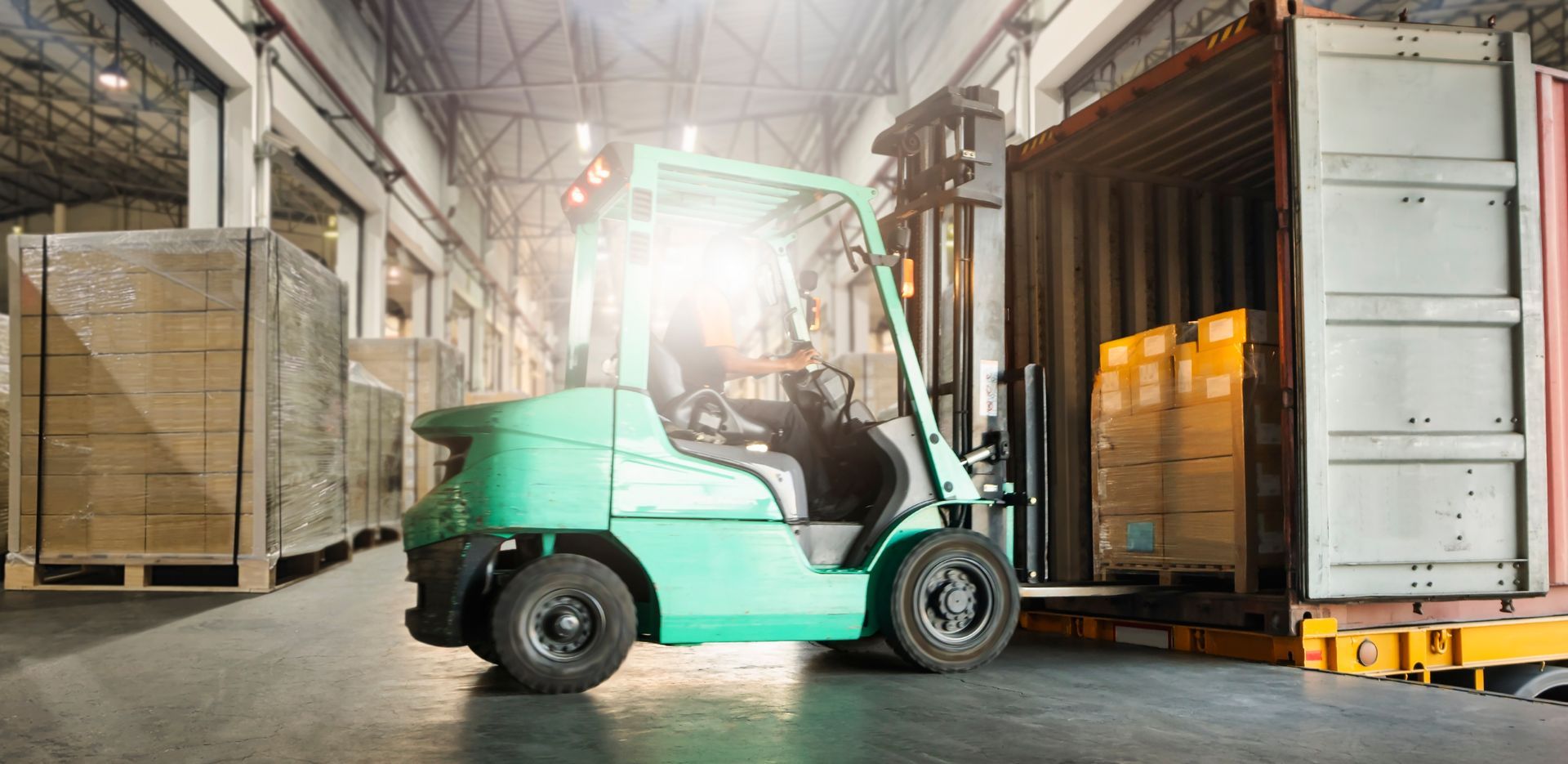
Portable Containers Packed to Capacity Safely
Container Loading and Offloading in Fort Lauderdale for organized packing that maximizes space in portable moving containers
Portable moving containers sit in driveways with limited loading windows before transport companies retrieve them, and inefficient packing wastes rental fees on partially filled containers or requires ordering additional units. Careful handling of heavy appliances and fragile items determines whether belongings arrive intact after the container travels long distances or gets loaded onto shipping vessels for international moves. Cheney Brothers Worldwide Moving provides experienced crews who load containers using spatial planning that fits maximum volume without creating hazardous stacking, and unloading assistance at the destination that moves items efficiently from the container into your new location during the limited time window before the container company schedules pickup.
Organized packing places furniture along container walls and builds stable stacks in the center, utilizing vertical space while maintaining access pathways that allow retrieval of items packed earlier if the container will be partially unloaded during a phased move. Heavy items go on the bottom to create a stable base, and padding separates surfaces to prevent scratching and impact damage during transport. Residential customers moving across states and commercial clients relocating equipment both benefit from professional loading that eliminates the trial-and-error rearranging that consumes hours when working without experience in container spatial dynamics.
Schedule container loading services to coordinate crew arrival with your container delivery date.
Why Experienced Container Loading Works
Containers have specific weight distribution requirements different from truck loading, since they get lifted by machinery and sometimes stacked during transport, requiring balanced loading that prevents shifting when the container is elevated. Crews account for door access limitations, since container openings are often narrower than truck ramps, and plan loading sequences that place items needing first access near the door without blocking deeper storage areas. Securing methods stabilize loads for the vibration and movement that occurs during rail transport or ocean shipping, which exceeds the forces experienced in standard truck moves.
Once loading is complete, the container holds a secured arrangement that won't collapse or shift during transport, and space utilization allows you to fit an entire household into the container size you rented rather than discovering halfway through that critical items won't fit. Unloading happens efficiently because items were loaded in logical sequences, allowing furniture placement and box distribution without requiring complete container emptying before accessing specific pieces.
Loading services apply to both residential containers used for long-distance household moves and commercial containers transporting business equipment, inventory, or office furniture during relocations. Scheduling flexibility accommodates the delivery windows that container companies provide, ensuring crews are ready when the container arrives rather than forcing you to wait days for available assistance.
What Property Owners Usually Ask
Container logistics differ from traditional moving trucks, and understanding how professional loading improves space utilization and protects belongings during the unique transport conditions containers experience helps prevent common mistakes.
What makes container loading different from truck loading?
Containers get lifted, stacked, and transported by rail or ship, requiring weight distribution that keeps the center of gravity centered and low, while truck loading focuses primarily on preventing shifting during road travel without the elevation and stacking forces containers experience.
How much can fit in standard container sizes?
A 16-foot container typically holds a two-bedroom home when loaded efficiently, while 8-foot containers work for studio apartments or partial loads, though actual capacity depends on furniture size and how well items are arranged to utilize vertical space and minimize gaps.
When should loading begin after the container is delivered?
Most customers schedule loading to begin the same day or within 24 hours of container delivery to minimize driveway occupation time and avoid weather exposure, since containers sitting open during Florida rainstorms can introduce moisture that damages belongings.
What items require special handling during container loading?
Large appliances, assembled furniture that won't fit through the container door, and fragile items like mirrors or glass tabletops need disassembly or custom padding to survive the handling and transport conditions containers experience during long-distance or international shipping.
How does unloading work when the container arrives at the destination?
Crews unload items in the sequence you specify, placing furniture in designated rooms and stacking boxes by label, with all unloading completed during the time window the container company allows before scheduled pickup, which is often shorter than the delivery window you had for loading.
Cheney Brothers Worldwide Moving handles both loading and unloading for portable container moves, coordinating with your container rental schedule to ensure efficient use of delivery windows. Contact the team to arrange services that match your container size and timeline requirements.